
Record-Breaking Concentrations of Gold Discovered in The Seafloor
Japan has found a potentially perfect place to build a commercial underwater gold mine – although whether it should is another matter inspiring great global debate.
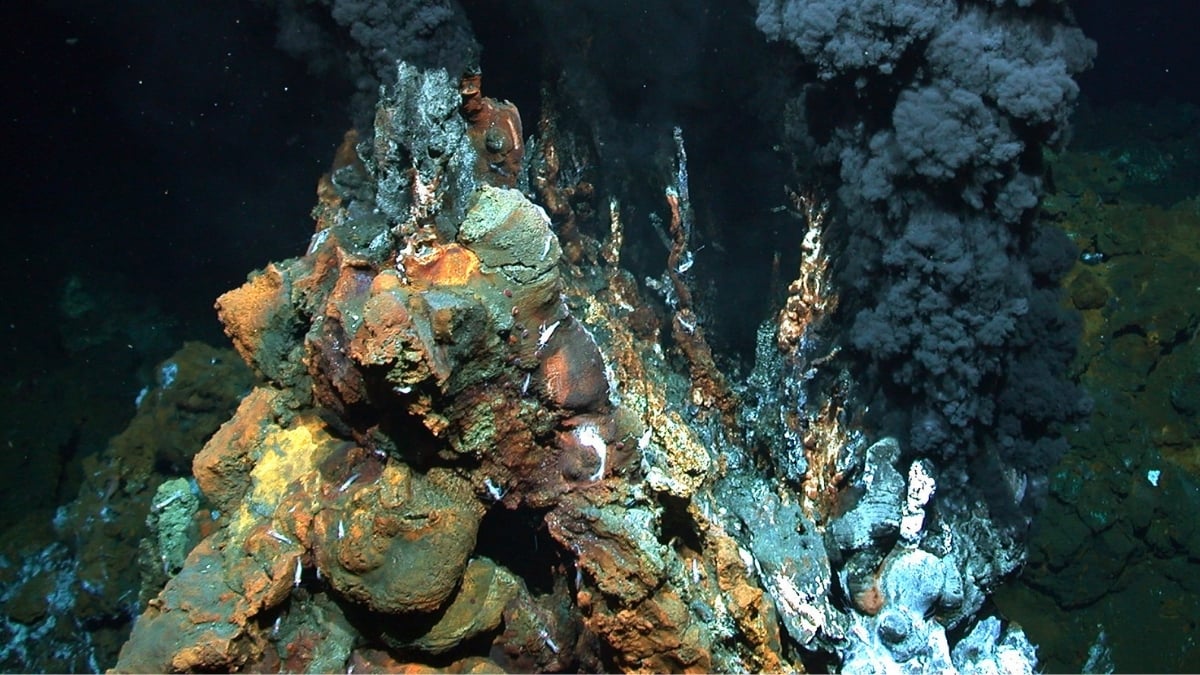
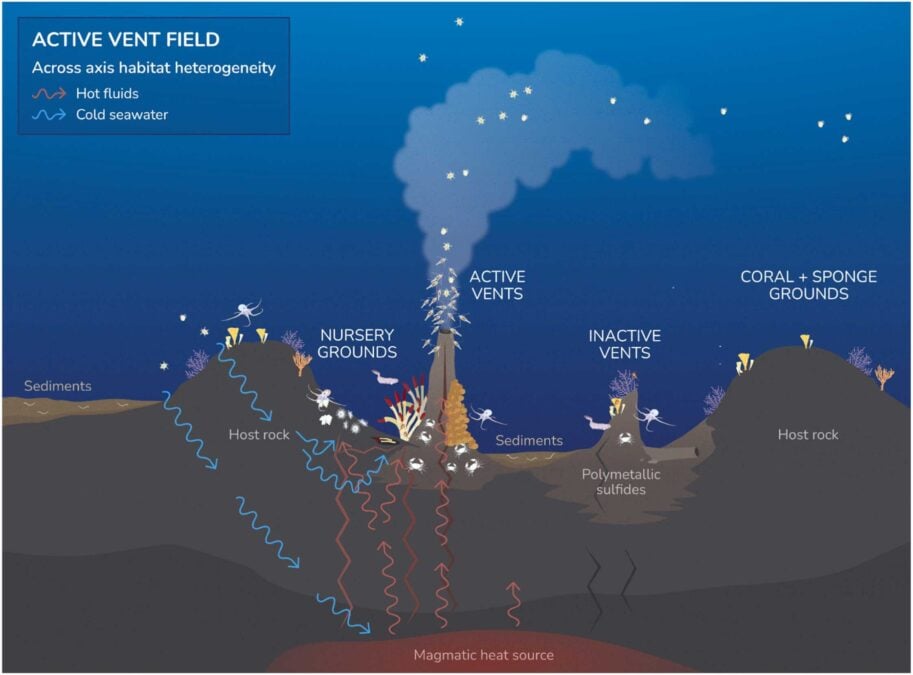
In a submerged volcanic crater off the southeastern coast of Japan, researchers have identified black smoker chimneys and hydrothermal mounds that are actively forging vast quantities of gold.
Not only are they spewing out minuscule grains of this coveted material, but they are also creating ‘invisible gold’ that cannot be seen with the naked eye or with a standard microscope.
The gold is instead wrapped up within seafloor materials. Concentrations in this particular underwater crater are the highest found anywhere in the world thus far.
The discovery is published in Scientific Reports – just months after an international team of scientists warned that active seafloor vents need to be protected from commercial mining interests.
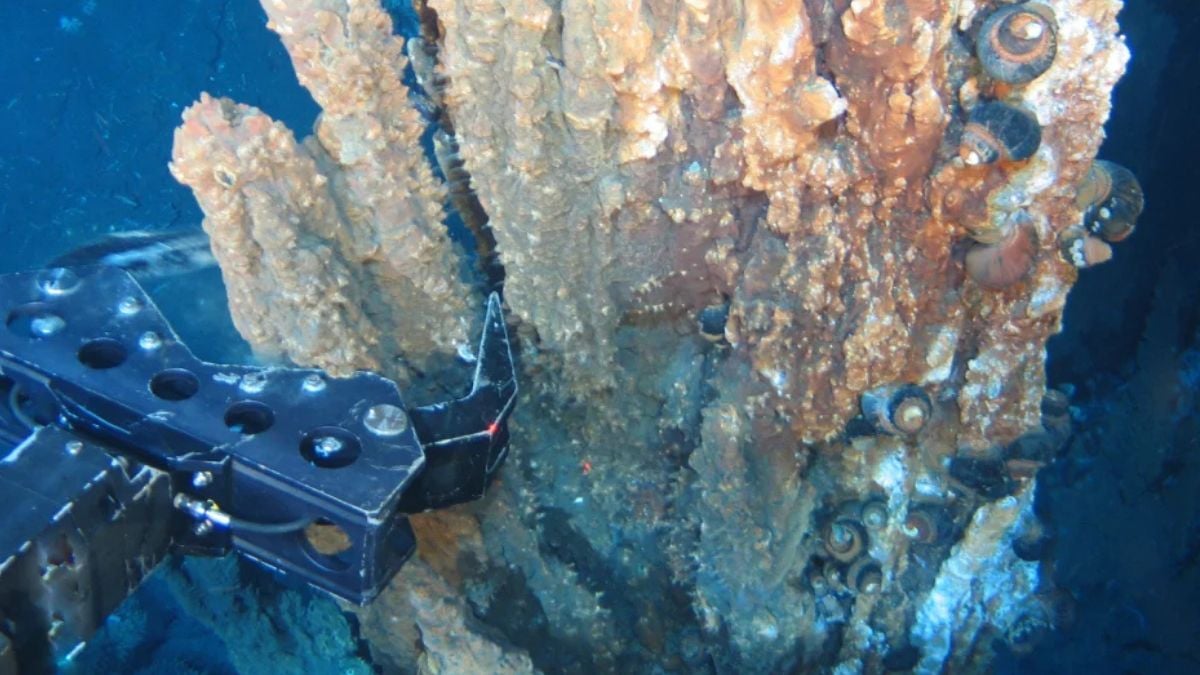
The Higashi-Aogashima vents were discovered in 2015 within Japan’s exclusive economic zone, and to this day, it remains unknown how much marine life these hydrothermal fields host.
What is more clear, however, is how much gold they contain.
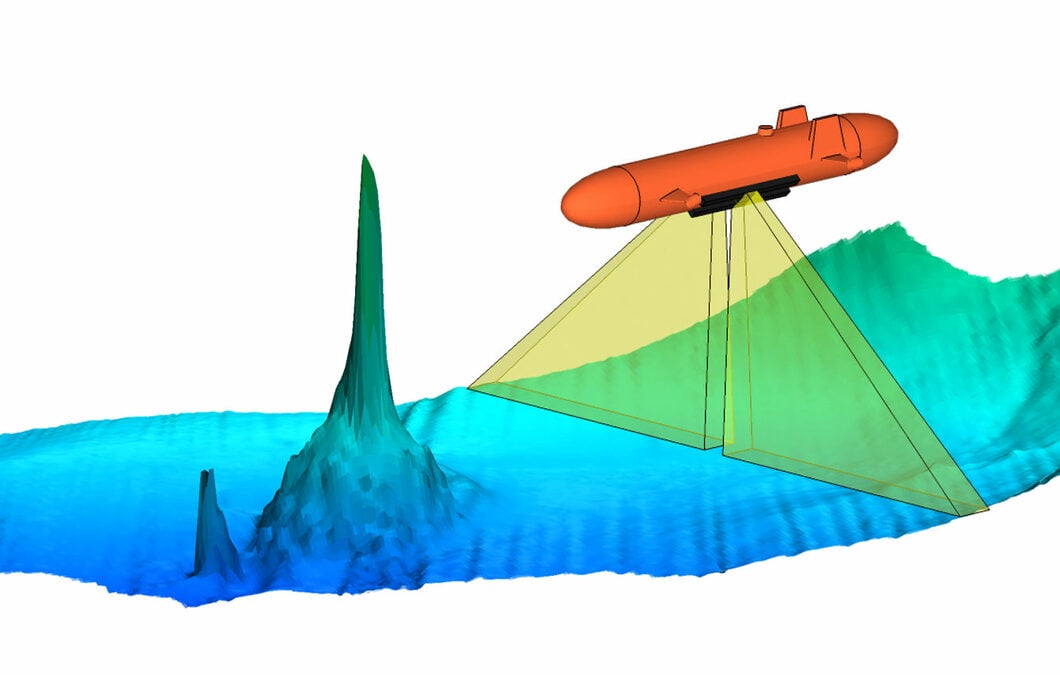
Researchers at Shizuoka University, Waseda University, and the University of Tokyo in Japan have now analyzed rock samples from the hydrothermal fields, located roughly 350 kilometers (217 miles) south of Tokyo.
Using secondary-ion mass spectrometry (SIMS), which is highly sensitive to minuscule amounts of gold, the research team has found secret deposits of “extremely high grade” gold.
These invisible nanoparticles are hidden within pyrite – a sulfide mineral that can form from hot, metal-rich fluids spewing from the seafloor.
Pyrite is a shiny mix of iron and sulfur, and because of its appearance, it is often called ‘fool’s gold’.
But the fool has been fooled for thinking he was fooled.
Real gold has been hiding inside fool’s gold all along.
As it turns out, gold can be trapped within pyrite as nanoparticles, or it can be contained as individual atoms embedded into the mineral’s very chemistry.
Both forms exist in the Higashi-Aogashima caldera.
The pyrite in this particular underwater crater, the study authors conclude, “currently boasts the highest gold concentration in the world.”
The spot is also relatively shallow compared to other gold-gushing vents that Japan is also eyeing for development.
The accessibility and high production value measured in the Higashi-Aogashima caldera make it extremely attractive for a future mine.
Today, there is no functioning commercial gold mine on the ocean floor, despite much discussion and debate.
Scientists around the world are still trying to figure out a way to extract ‘invisible gold’ from seafloor materials in a cheap and efficient way.
Previously, an attempt to establish an underwater mine off the coast of Papua New Guinea collapsed after the company behind the endeavor experienced financial issues and environmental protests.
The island nation was reported to have lost 375 million PGK (roughly 85 million USD) from the failed business deal.

Today, the prime minister of Papua New Guinea says the nation remains committed to a moratorium on further deep-sea mining ventures.
Several other Pacific countries have also supported a moratorium until 2030.
But not Japan.
This particular island nation continues to push forward with deep-sea mining research, despite political and environmental concerns.
Related: ‘Supergiant’ Gold Deposits May Be Worth Over US$80 Billion
Even before this study, the Higashi-Aogashima hydrothermal fields were thought to host some of the highest gold contents in seafloor sulfides worldwide.
Based on this new analysis, it seems there’s even more gold in these fields than we first noticed.
It is now up to the world to decide what is more valuable: ocean riches or ocean life.
The study is published in Scientific Reports.
This article was fact-checked by Clare Watson and edited by Rebecca Dyer. While we pride ourselves on our process, we are only human. If you spot a mistake, please let us know.
What did you think of this news? Leave a comment below and/or share it on your social media. This way, we can inform more people about the hottest things in technology, science, innovation, and gaming!
This news was originally published in:
Original source
