
Parasite Affecting 1 in 3 People Is a Serious Risk to Human Health, Scientists Warn
There’s a fair chance you’ve not heard of the risks of the Toxoplasma gondii parasite – and a lack of awareness around it is a dangerous problem, scientists warn.
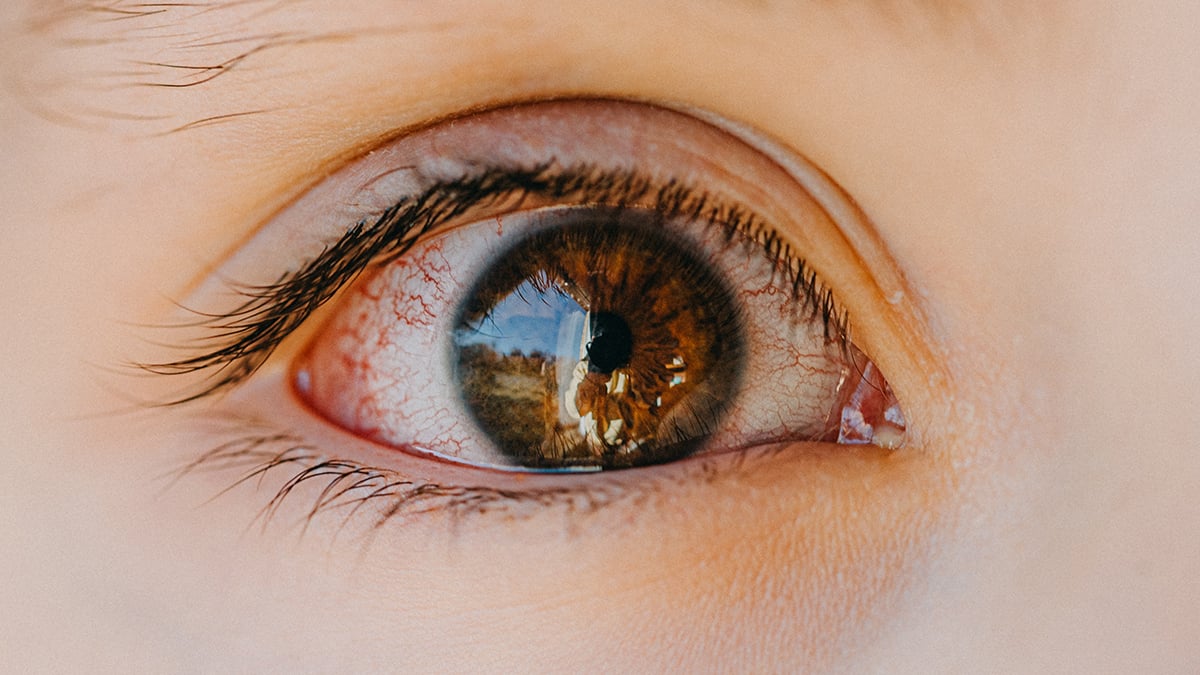
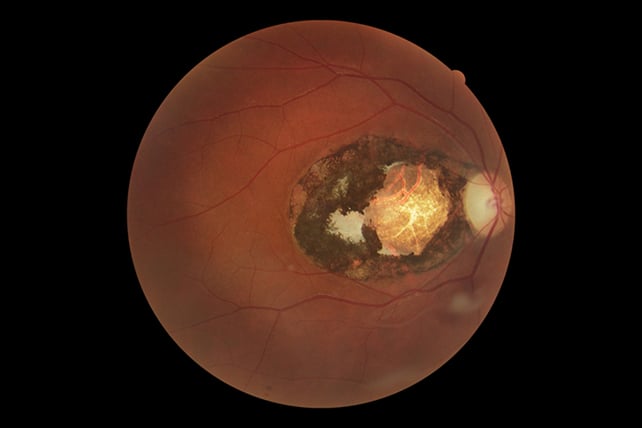
The parasite infects around a third of the global population with toxoplasmosis, estimates suggest. While most healthy individuals won’t develop symptoms, in some cases it can lead to serious eye problems and even vision loss.
In fact, ocular toxoplasmosis is the most common infection inside the eye in the world.
Now, in a new viewpoint paper, researchers argue that toxoplasmosis meets the World Health Organization (WHO) criteria for classification as a neglected tropical disease (NTD). This recognition would unlock more funding and health initiatives.
“Toxoplasmosis is a leading eye infection and a major cause of vision loss worldwide, yet it receives limited attention in global health agendas,” says ophthalmologist and vision scientist Justine Smith from Flinders University in Australia.
“With WHO’s recognition, we can make substantial progress in the prevention and management of this infection.”
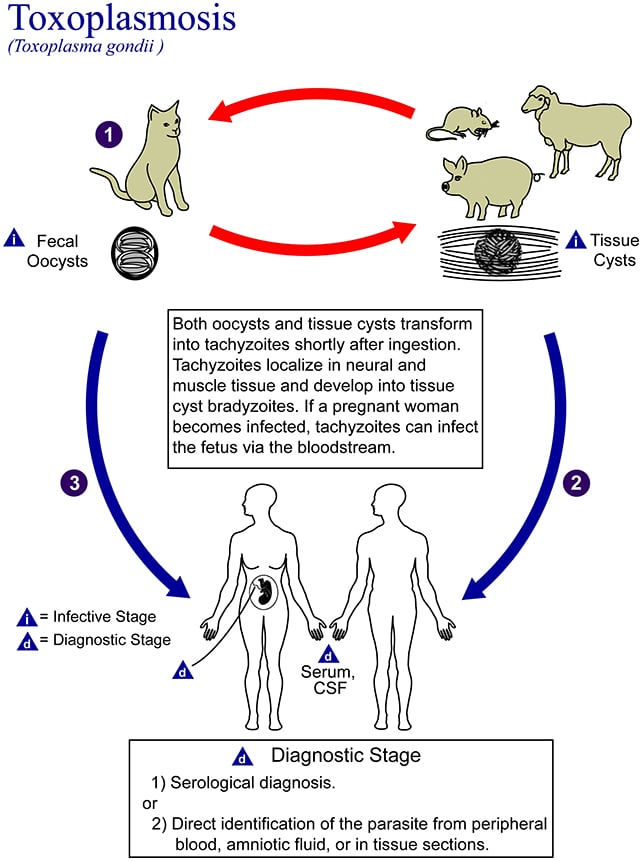
Humans can pick up the infection by eating undercooked meat that’s been contaminated with the parasite, or by somehow ingesting parasitic eggs from cat feces (perhaps in a litter tray, or the wider environment).
It can also be passed to unborn children by newly infected mothers via the placenta. As well as serious health problems, this can cause miscarriages too.
“Toxoplasmosis is often seen as inevitable, but it has well-characterized transmission pathways and can be prevented and controlled,” says ophthalmologist João Furtado from the University of São Paulo in Brazil.
There are four criteria for a disease to be classified as an NTD, and the researchers address them all. It must be concentrated in areas of poverty, which applies here, and it must be widespread in tropical and subtropical countries – another match (it’s particularly common in South America).
The disease must be preventable and controllable – and the researchers provide evidence for that – and it must be currently neglected in research and policy: The study points out that spending on toxoplasmosis is far below other comparable diseases.
There are gaps in our knowledge of the infection, the researchers point out, and there’s no vaccine available and no standard treatment protocol – all signs of underfunding.
The fact is, we don’t fully know what the global health impact is of the T. gondii parasite, and without more investment in research, we’re not going to find out. In the meantime, it’s thought that around 190,000 babies are born with toxoplasmosis each year.
What’s more, the statistics show that the most severe impacts tend to happen in communities with the lowest levels of access to healthcare and sanitation.

“These impacts could be reduced through practical public health measures such as improved food safety, clean water, sanitation, and better access to antenatal care,” says Furtado.
The researchers do propose a road map for the future, based on the WHO approach to other NTDs, but it will require multiple agencies to collaborate across multiple fields.
Screening, diagnosis, and treatment of congenital infections and ocular toxoplasmosis should be improved, the researchers suggest, and advances in medicines and rehabilitation services are also needed.
More needs to be done to prevent infection – through better food safety policies and community-level education – and health professionals (from ophthalmologists to vets) need to have more capacity for dealing with the disease.
Recognition as an NTD would release funds across all of those areas, explain the researchers, helping to significantly lower the threat to health.
“It would support countries to integrate toxoplasmosis prevention into maternal and child health programs, food safety systems, and primary care,” says Smith.
Related: Parasites ‘Reawaken’ Woman’s Rare Birth Anomaly Decades Later
“At a time when the WHO NTD framework emphasises equity, integration, and multisectoral action, toxoplasmosis represents a clear and actionable gap that warrants corrective action. Our statement is a call to action to finally address the unacceptable global health burden of toxoplasmosis.”
The commentary was published in PLOS Neglected Tropical Diseases.
What did you think of this news? Leave a comment below and/or share it on your social media. This way, we can inform more people about the hottest things in technology, science, innovation, and gaming!
This news was originally published in:
Original source
