

Ontario Child Dies From Rabies in First Locally Acquired Case Since 1967
After the death of a child in Ontario, Canada, doctors are urging people to seek medical attention after direct contact with a bat, even if there are no signs of a bite or scratch.
The case involved an 11-year-old boy who woke up with a bat on his face, over his nose and mouth, but had no visible wounds. His parents concluded that, since the animal did not seem to be behaving strangely, they did not need to seek medical treatment.
Nineteen days later, he went to the hospital with some facial numbness, vomiting, and pain, and was ultimately diagnosed with rabies.
Once rabies symptoms appear, there is no proven treatment capable of stopping the infection. The patient’s care, therefore, became supportive. It was the first locally acquired rabies case reported in Ontario since 1967.
Only 28 cases of rabies have been reported in Canada since 1924.
The boy’s parents consented to the case being published in an official report in the Canadian Medical Association Journal to raise awareness.

“Bats pose a particular risk because bites or scratches may be small and are easily overlooked, and patients may not recollect or recognize a bat exposure,” the boy’s medical team wrote.
“Any direct human contact with a bat, even in the absence of a visible bite or scratch, is an indication for PEP and should be discussed with public health authorities.”
Rabies is one of the deadliest infectious diseases known. The virus attacks the nervous system after entering the body through infected saliva, most often via bites or scratches. Once symptoms begin, it is almost always fatal; fewer than 35 survivors have been documented worldwide.
Fortunately, human rabies is very preventable if treatment is administered before symptoms appear. This is called post-exposure prophylaxis (PEP), and it consists of human rabies antibodies plus a vaccine.
Part of the challenge is that the virus’s incubation period is unpredictable. Once transmitted, it can incubate for days to months.
In addition, initial symptoms can be vague and nonspecific, including tingling and numbness, fever, fatigue, and headaches, before progressing to more severe neurological symptoms.
Globally, dogs are the primary vector of transmission, but any mammal in a rabies-endemic country can transmit rabies.
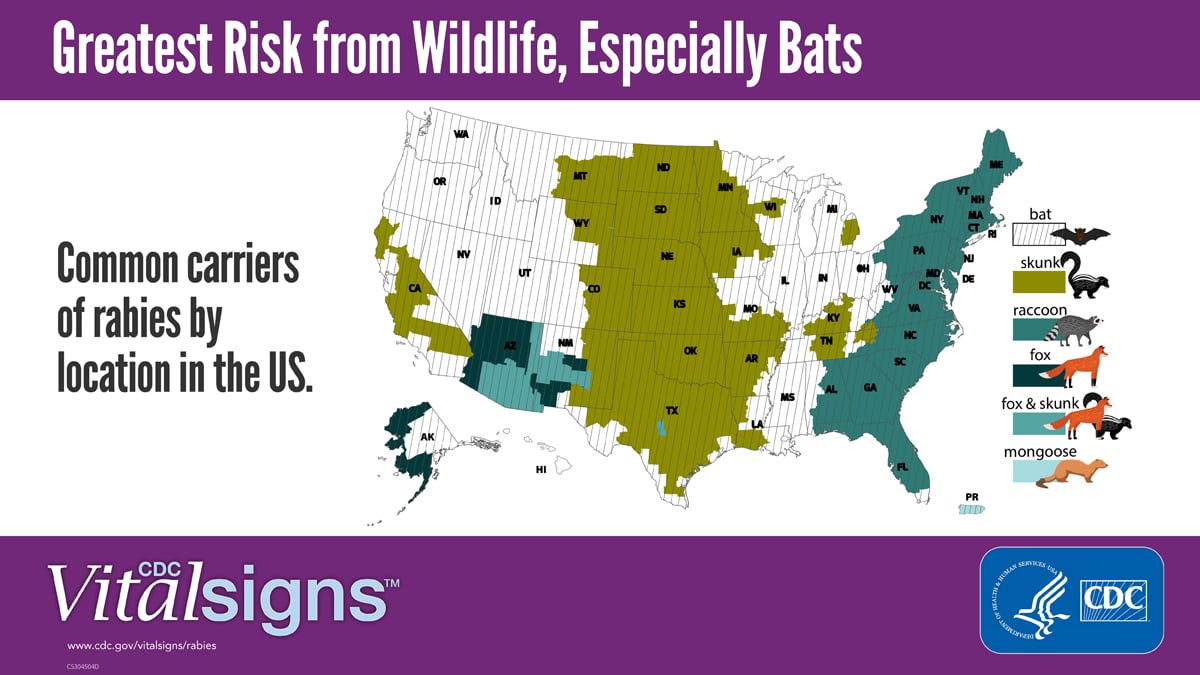
In North America, most cases are linked to exposure to bats, which poses a particular problem because their teeth and claws are so small that wounds can be easy to miss.
The Ontario boy’s illness followed a pattern that doctors say is typical of rabies.
He initially presented to the hospital reporting vomiting, ‘pins and needles’ in his face, and numbness 19 days after his encounter with the bat.
Because of that history, the emergency physician notified the local public health authority to consider PEP.
However, because his initial symptoms also resembled more common illnesses, he was initially sent home with a presumed diagnosis of herpes gingivostomatitis, an infection that causes painful mouth sores.

When he returned the next day, his condition had deteriorated dramatically.
He had developed fever, confusion, difficulty swallowing, excessive salivation, hallucinations, and multiple cranial nerve deficits.
Related: US Man Dies From Rabies After Receiving Infected Kidney
Doctors admitted him to intensive care and considered experimental therapies.
However, none were given because of the boy’s rapid neurological decline, the limited availability of the treatments, and the lack of evidence that they were effective.
“Life-sustaining therapies were withdrawn on day 17 of admission,” the doctors wrote, “and he died peacefully with his family at his bedside.”
Simply finding a bat in your room is not considered a sufficient reason to seek PEP.
However, if you find a bat and can’t rule out contact, the bat should be captured if possible and tested for rabies.
The boy’s doctors urge that anyone who experiences direct contact, no matter how fleeting, and no matter how normal the bat appears to behave, should immediately seek medical attention.
The case has been described in the Canadian Medical Association Journal.
This article was fact-checked by Clare Watson and edited by Rebecca Dyer. While we pride ourselves on our process, we are only human. If you spot a mistake, please let us know.
What did you think of this news? Leave a comment below and/or share it on your social media. This way, we can inform more people about the hottest things in technology, science, innovation, and gaming!
This news was originally published in:
Original source
