
Ketamine Alters Brain Structures – But Only in One Sex, Study in Mice Finds
Anesthesia’s effects remain mysterious, despite its 170-year clinical history and the innumerable individuals ‘going under’ every day.
Even while chipping away at its mechanisms and mysteries, clinicians keep discovering new enigmas about who is affected and how.
For example, in a new mouse-based study published in Science Advances, researchers have described a puzzling result: Ketamine anesthesia causes a remodeling of brain tissues – but only in females.
“We didn’t expect to see this; it was a surprising finding,” says Sandra Siegert, a neurobiologist at the Institute of Science and Technology Austria (ISTA), as well as the study’s senior author.
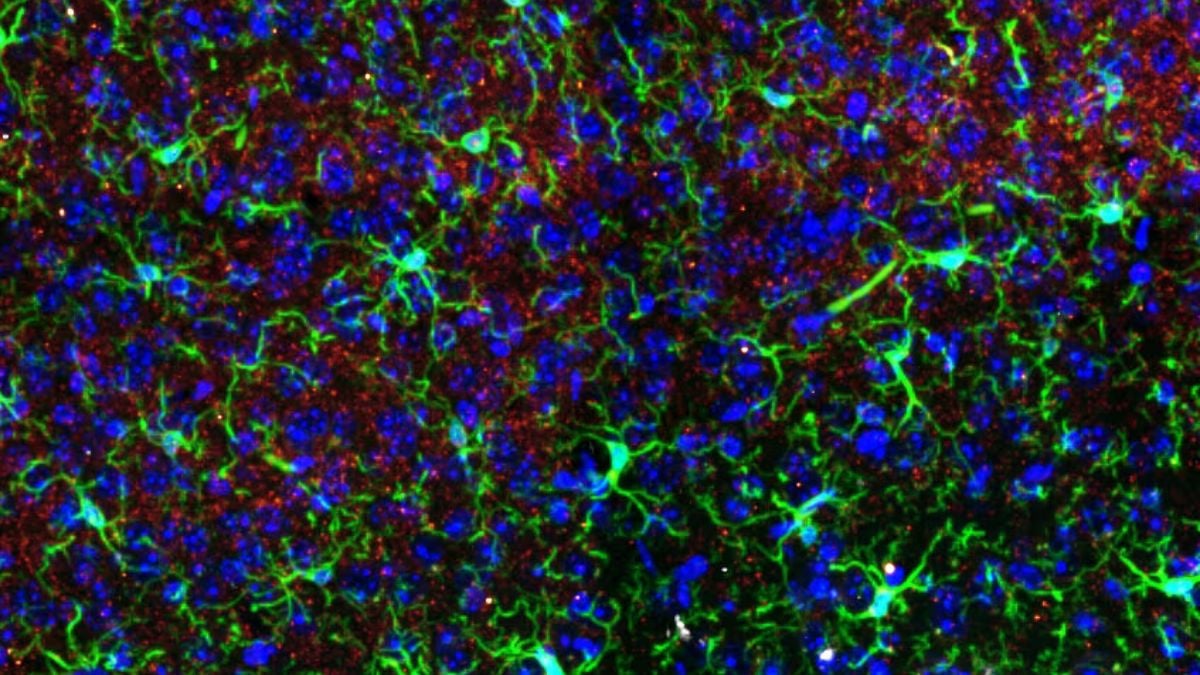
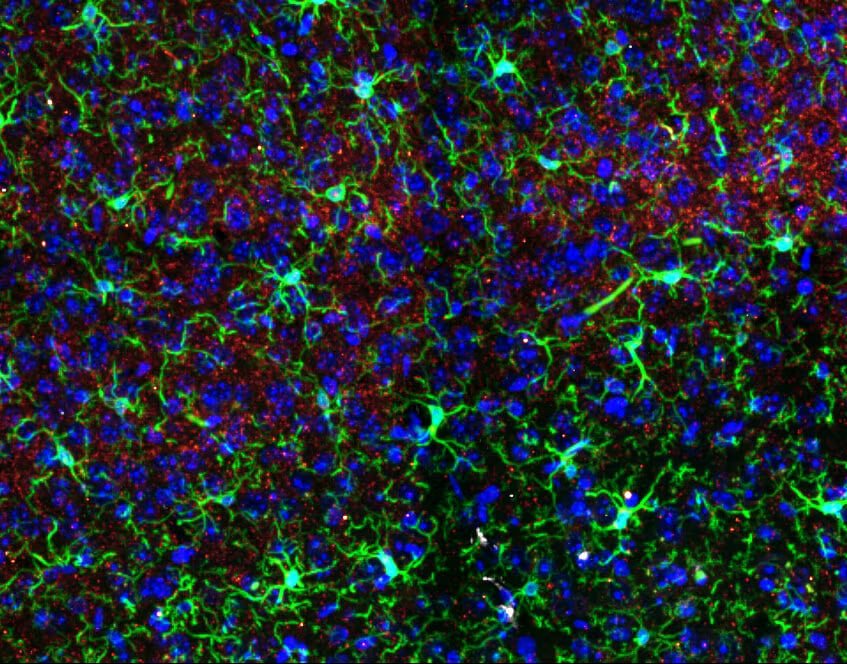
When researchers studied the brains of mice who had been administered ketamine anesthesia, they found that microglia, the primary immune cells of the nervous system, used their arm-like projections to ’embrace’ neurons, the brain cells responsible for everything we do, think, and are.
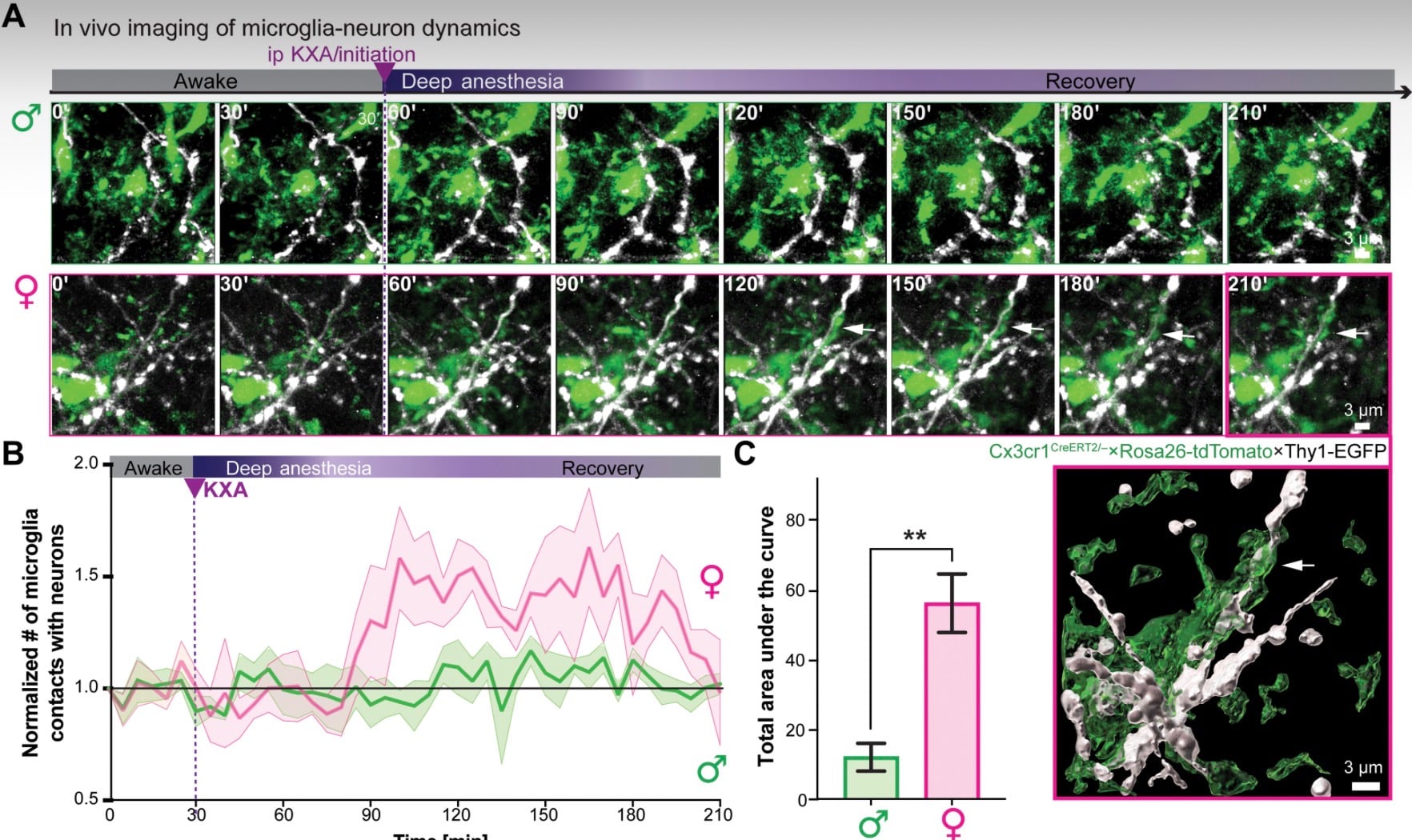
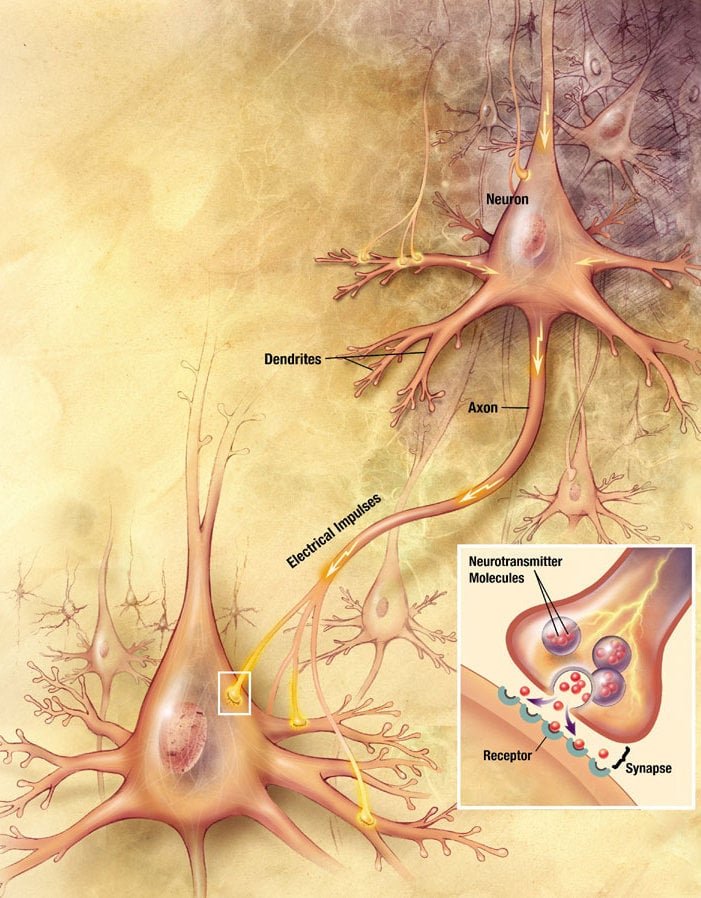
This tender embrace increased the formation of synapses, the connections between brain cells through which chemical and electrical signals spread.
As a result, the post-anesthesia recovery period, potentially lasting up to 48 hours, seems to facilitate brain remodeling, or plasticity.
“What was fascinating,” says Alessandro Venturino, a neurophysiologist research scientist at ISTA and the study’s first author, “was that we observed this plasticity – the brain’s ability to change, adapt, and in this case recover – only in females.”
To ascertain the sex-specificity of this plasticity, and when it occurred, the researchers viewed brain changes in vivo via a cranial window, which let them peer into the brains of living mice.
About an hour after ketamine administration, microglia started establishing significantly more contact with neurons in the brains of female mice.
When the mice had been fed a special chow in the week before the anesthesia, however, it overwhelmingly reduced the density of microglia in the brain, preventing the anesthesia-induced effect.
After sequencing nearly 37,000 brain cells to determine changes in the activity of 2,000 genes, the researchers pinpointed a specific gene-hormone interaction.
“During recovery from anesthesia, corticosterone levels rise,” Venturino says.
“In female mice, this specifically activates the stress‑response gene Fkbp5 in microglia. The gene encodes the protein FKBP51, which helps the cell manage stress signals – and apparently prompts microglia to interact with neurons.”
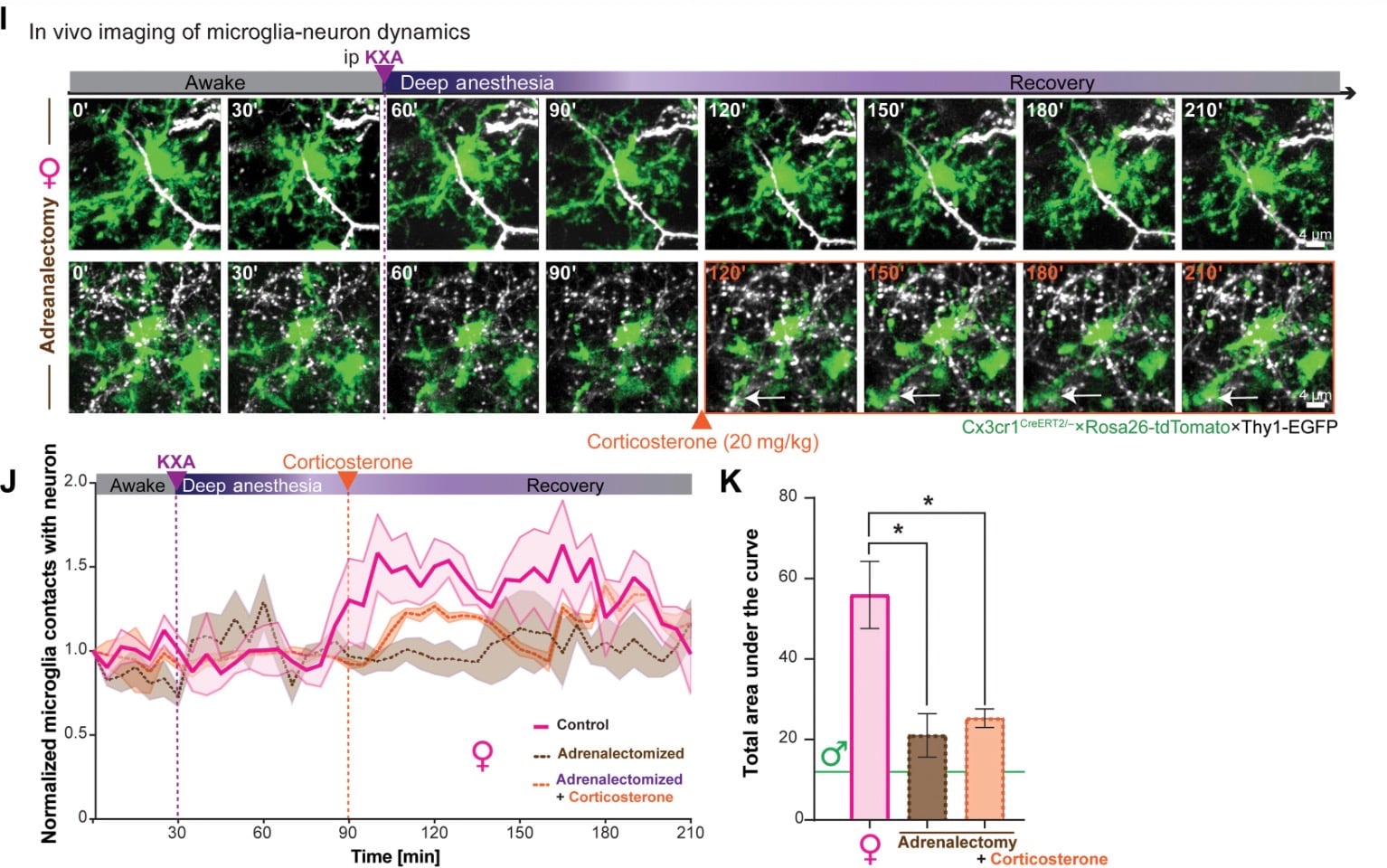
Finally, the researchers removed the mice’s adrenal glands, the body’s primary source of corticosterone.
This dampened the action of microglia in response to ketamine, which was restored when they injected corticosterone, supporting corticosterone’s status as a chief hormonal pathway.
It’s uncertain why male mice don’t seem to exhibit this adaptational brain response. Perhaps it’s delayed, or maybe they use a different brain-reshaping strategy.
Circulating sex hormones do play a role, the researchers say, but do not fully explain this effect.
Evolutionarily speaking, Siegert likens it to the different selection pressures faced by females throughout history, who swiftly adapted to diverse challenges related to caring for children, gathering food, or organizing groups of people, among other things.

The findings warrant much more research, including in-depth investigations of sex-dependent clinical differences.
In a previous study, researchers found that ketamine anesthesia induced anxiety traits – but, again, only in female mice.
So it’s equally essential to explore how such research translates to humans.
“There were only a handful of anecdotal studies showing that women experience nausea and sickness more often after ketamine anesthesia,” Siegert notes.
Constraining ketamine’s influence is therefore vital in deciding which therapeutic strategy to pursue.
Related: Ketamine Can Treat Depression as Effectively as Electroconvulsive Therapy
“How drug effects differ between males and females is important to know in order to offer the best treatment,” Siegert adds.
Because ketamine is also used to treat depression, the research highlights a double-edged-sword: brain plasticity may be beneficial, but too much or too little can facilitate neuropsychiatric disorders.
“How can you modify and modulate this plasticity but in a positive way?” asks Bosiljka Tasic, a neurobiologist at the Allen Institute for Brain Science in Seattle and one of the study’s co-authors.
“Many of the major plasticity-inducing drugs have become quite interesting, especially as treatments for depression, but we still don’t know how they work.”
This research was published in Science Advances.
This article was fact-checked by Clare Watson and edited by Peter Dockrill. While we pride ourselves on our process, we are only human. If you spot a mistake, please let us know.
What did you think of this news? Leave a comment below and/or share it on your social media. This way, we can inform more people about the hottest things in technology, science, innovation, and gaming!
This news was originally published in:
Original source

