
Experimental One-Dose Treatment Cuts ‘Bad’ Cholesterol by 52% in First Human Trial
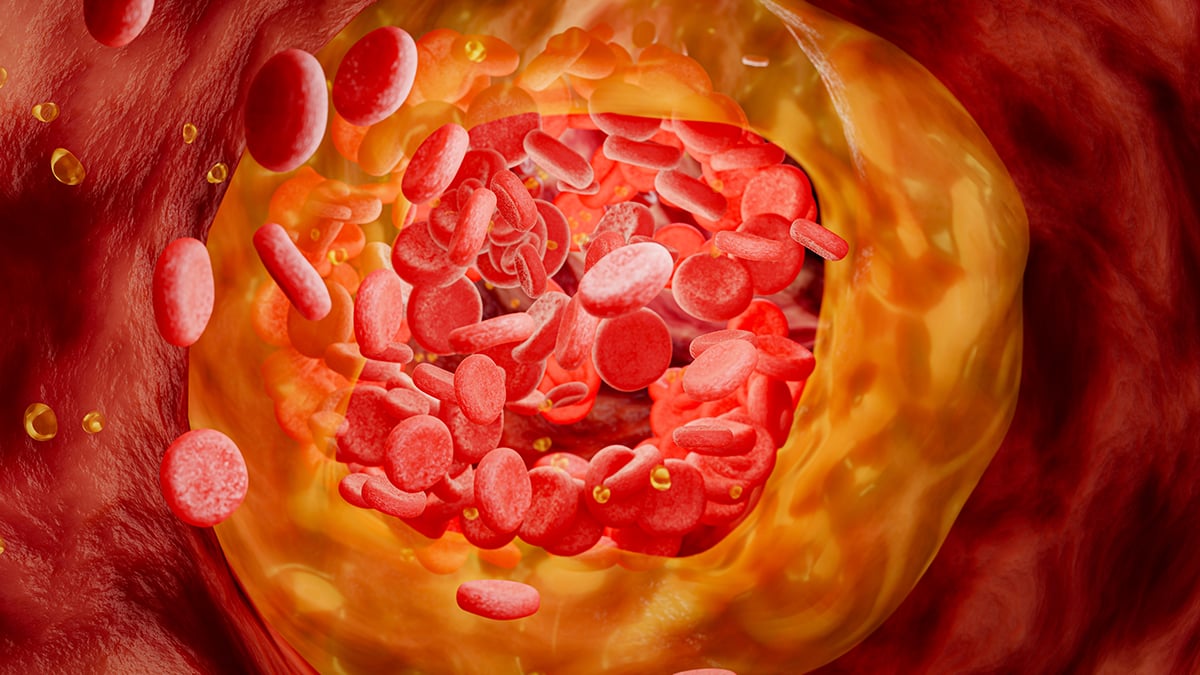
Too much ‘bad’ cholesterol in the bloodstream – that’s the low-density lipoprotein (LDL) type – can contribute to plaque buildup in the arteries, increasing the risk of cardiovascular problems like heart attacks and strokes.
Many factors affect LDL cholesterol levels, including genetics, diet, and age, while treatments for high cholesterol can involve dietary changes and statins.
Scientists are now working on a precise DNA-editing approach, using CRISPR technology to make a permanent genetic change that could durably reduce LDL cholesterol after a single treatment.
Called CTX310, it aims to mimic a naturally occurring genetic variant that lowers LDL cholesterol via reduced expression of a liver protein called ANGPTL3.
New results from a clinical trial, led by a team from the Cleveland Clinic Coordinating Center for Clinical Research and published in the New England Journal of Medicine, suggest the approach can remain safe and effective even a year later.

“CTX310 was associated with few adverse events and produced sustained changes in the levels of ANGPTL3 and atherogenic lipoproteins at 1 year, further supporting its potential as a one-time treatment,” write the researchers in their published paper.
Some people are born with loss-of-function variants in the gene that produces ANGPTL3 protein. Less of the protein means the body is better able to process fats circulating in the blood – useful for keeping cholesterol well balanced.
The idea behind CTX310 is to artificially make the same genetic change and achieve similar effects on LDL cholesterol.
In the trial, now followed up 12 months later, 15 people with serious health issues related to cholesterol or triglycerides (a type of fat found in the blood) received an intravenous infusion to deliver nanoparticles containing the CRISPR instructions.
One study participant died 179 days after treatment, though the researchers have concluded that the death was unrelated to CTX310.
In the other 14 participants, the lower cholesterol and triglyceride profile has continued, and no new serious adverse events have been reported.
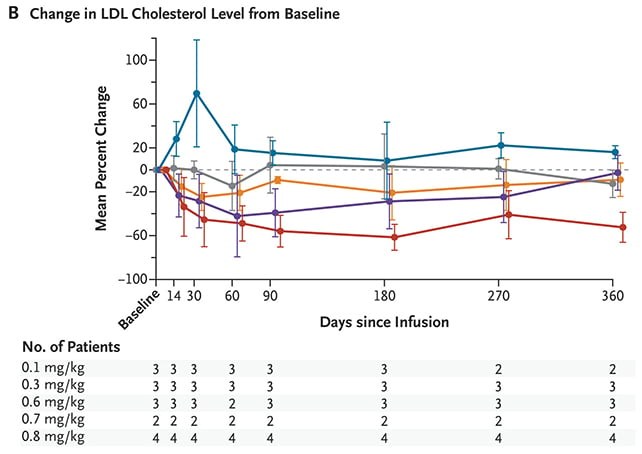
For the four participants who received the highest dose of nanoparticles delivered to liver cells called hepatocytes, ANGPTL3 levels were reduced by an average of 78.6 percent.
Their LDL cholesterol dropped by an average of 52.5 percent, and triglycerides fell by an average of 47.8 percent.
While this trial doesn’t involve a large sample of patients, these early results are promising, and suggest the treatment is worth further development.
“Among patients with lipid disorders, the potential of a one-time treatment to produce a loss-of-function mutation in hepatocytes that mimics natural variants associated with a reduced risk of atherosclerotic cardiovascular disease represents a unique therapeutic opportunity,” write the researchers.

A one-time CRISPR treatment could be more straightforward for patients compared to therapies that need to be administered daily or weekly, and the trial participants were specifically selected because they had lipid disorders that failed to respond to conventional drugs.
More testing is needed to find out if this really is viable; however, involving more people over a longer period of time.
Gene editing comes with risks, even though the researchers are deliberately targeting variants that occur naturally in some people – and have not been associated with any adverse impact on their health.
The phase 1a trial reported here was the first to involve humans, and a phase 1b trial is now underway to build on the findings. Phase 1b is testing a fixed dose corresponding to the highest dose in the phase 1a trial that proved so effective.
Related: US Cardiologists Issue New Guidelines For How to Manage Cholesterol
“Efficacy in phase 1b is being assessed in separate cohorts of patients with specific lipid disorders,” write the researchers.
The research has been published in the New England Journal of Medicine.
This article was fact-checked by Rebecca Dyer and edited by Rebecca Dyer. While we pride ourselves on our process, we are only human. If you spot a mistake, please let us know.
What did you think of this news? Leave a comment below and/or share it on your social media. This way, we can inform more people about the hottest things in technology, science, innovation, and gaming!
This news was originally published in:
Original source
