

Decaf Coffee Might Have A Surprising Advantage Over Caffeinated, Study Finds
Decaffeinated coffee might not come with the same buzz, but it may offer an advantage to the brain that the caffeinated version does not.
In a recent small experiment, neuroscientists found that only participants who drank decaffeinated coffee showed significant improvements on two memory tests.
Those who drank caffeinated coffee did not.
The findings, published in Nature Communications in April, suggest that something beyond caffeine is also impacting our brains when we drink coffee.
Our gut microbes could be the culprits.
The experiment is only small and preliminary, but neuroscientists are growing suspicious that coffee, even without the caffeine, could ‘hype up’ some munchers in our gut and change how ‘chatty’ they are with the brain.
“Coffee is more than just caffeine – it’s a complex dietary factor that interacts with our gut microbes, our metabolism, and even our emotional well-being,” explains stress neurobiologist John Cryan from University College Cork in Ireland.
“Our findings suggest that coffee, whether caffeinated or decaffeinated, can influence health in distinct but complementary ways.”
Cryan’s lab at Cork is focused on how the gut and its microbiome interact with the brain, and vice versa.
In 2013, Cryan and his colleague Ted Dinan coined the term psychobiotics to describe how probiotics can shape the gut microbiome and potentially improve mental health via communication with the brain.
Now, Cryan is interested in how coffee might tap into the gut-brain axis. He suspects that the benefits of our morning cuppas may have more to do with our gut microbes than caffeine.
Sure, caffeine can cross the blood-brain barrier and directly interact with neurological tissue, but it is just one of more than a thousand compounds contained in coffee.
There’s far more to the picture. Coffee doesn’t contain probiotics, but it does contain numerous polyphenols, which are plant compounds that are known to feed microbes in the human gut.
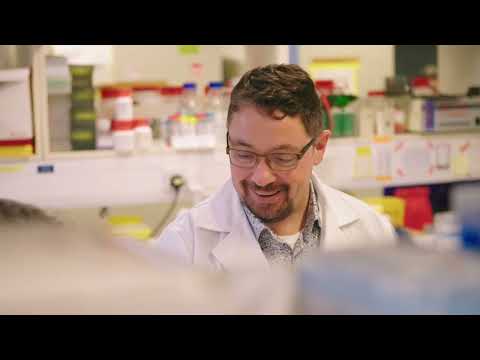
“We were interested to see would coffee, through the polyphenols, affect the microbiome?” Cryan explains in a recent video.

The recent experiment at Cryan’s lab took place among 31 coffee drinkers, who were asked to stop drinking their usual 3 to 5 cups of coffee a day for two weeks.
The result was a substantial shift in the gut microbe profiles of their stool samples.
After this withdrawal period, half the participants were given decaf coffee and the other half were given caffeinated coffee. No one knew who was taking what.
Reintroducing four servings of instant coffee daily for three weeks triggered acute microbiome changes, regardless of whether caffeine was present.
Participants also reported lower perceived stress, depression, and impulsivity after resuming coffee drinking, even if it was the decaf version.
“There was a clear relationship between some of their cognitive effects, immune effects, their stress effects, and their microbiome,” explains Cryan.
Interestingly, however, only the reintroduction of caffeinated coffee was tied to a reduction in anxiety and psychological distress and improved attention and vigilance.
This suggests that caffeine may have specific effects on cognition and mood, as other studies have reported, too.
“But I guess the most surprising thing was that when we put coffee back, we also got really exciting effects by putting decaffeinated coffee back,” adds Cryan.
“So it wasn’t just the caffeine.”
In the experiment, only participants who drank decaffeinated coffee showed significant improvements on two memory tests when coffee was reintroduced.
These tests had participants learn and remember a number of words and locations.
The decaf group improved on several parts of the word test and made fewer errors on the location test.
But the caffeinated group showed no significant improvements.
Without further research, scientists can only speculate as to why.
Perhaps the polyphenols in coffee are feeding gut microbes and triggering a cascade of internal changes that somehow lead to better cognition.
Coffee could theoretically change what metabolites microbes use, and how they work together as a collective.
“It’s a small study,” admits Cryan, “it asks a lot of questions.”
Other recent studies on coffee, however, have also found that decaf versions can still help wake you up and improve cognitive function.
“As the public continues to think about dietary changes for the right digestive balance, coffee has the potential to also be harnessed as a further intervention as part of a healthy balanced diet,” argues Cryan.
Caffeine is just the tip of the iceberg.
The research has been published in Nature Communications.
What did you think of this news? Leave a comment below and/or share it on your social media. This way, we can inform more people about the hottest things in technology, science, innovation, and gaming!
This news was originally published in:
Original source
