

Common Sleep Supplement May Also Help Ease Chronic Pain, Study Reveals
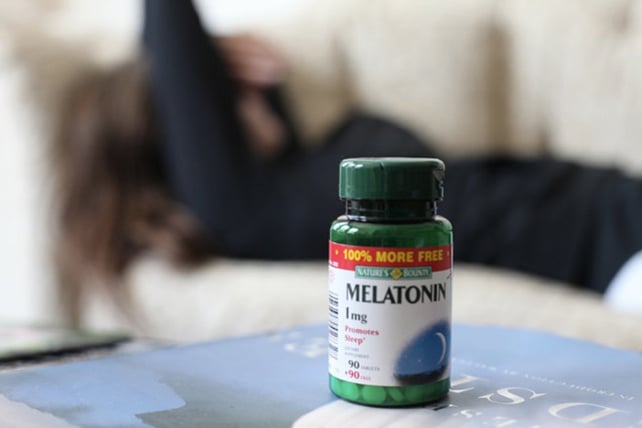
The natural hormone melatonin plays a key role in lulling us to sleep and so is widely prescribed in synthetic form as a sleep aid.
Now, researchers think they might have found another health benefit of those supplements: alleviating lasting pain.
As a sleep aid, melatonin adds to the natural reserves in our bodies, triggering chemical changes that prepare the body for sleep. In particular, it messages cells in the brain’s hypothalamus to indicate that it’s time to slow down and rest.
There’s also evidence that some of these brain interactions might help with pain relief – though so far the bulk of that evidence is from animal studies rather than human trials.
In a new study published in the journal Pain, researchers led by a team from the University of Sydney in Australia have crunched the data from 23 previous trials, aiming to get more insight and clarity on the link between melatonin and chronic pain in humans.
The headline finding was that melatonin can indeed relieve chronic musculoskeletal (MSK) pain, which affects muscles, bones, joints, and the tendons and ligaments connecting them.
In some cases, it was as effective as other pain-relief medications, including opioids, non-steroidal anti-inflammatory drugs (NSAIDs), and paracetamol (also known as acetaminophen).
“Melatonin is already in people’s homes, it’s inexpensive, and we know it’s safe,” says Kangchao Wu, a musculoskeletal researcher from the University of Sydney who led the study.
“What’s exciting is that melatonin may also help manage chronic pain, opening the door to reducing reliance on medications that come with more risks.”
All the reviewed research involved people with MSK pain as either a chronic condition or a result of recent surgery. They received, in clinical trials, some level of melatonin treatment or, for comparison, a placebo or another form of pain medication.
The reviewed trials included 2,028 participants in total, across multiple countries, and with conditions such as low back pain, osteoarthritis, and fibromyalgia.
While these individual trials weren’t large or comprehensive enough to draw any firm conclusions about melatonin and pain, by collating the data together, the authors of the new study identified a significant link.
“Melatonin was found to be effective in reducing pain intensity and improving sleep quality across various chronic MSK pain conditions, regardless of the comparator type,” write the researchers in their published paper.
“Sensitivity analyses restricted to studies with low risk of bias further confirmed melatonin’s efficacy, revealing a significant pain reduction compared with placebo.”
On average, melatonin was found to reduce pain by around 9 points on a 0-100 scale.
However, there were variations among the trial participants: There was no statistically significant drop in pain for those recovering from surgery; the real difference was seen among the chronic MSK pain cases.
Some side effects were also reported, including nausea, headaches, and dizziness.
Melatonin is typically considered safe and well-tolerated for short-term use (around 1 to 2 months) among those who are not pregnant or breastfeeding.
While some studies suggest that long-term melatonin use is safe, there is limited data on this, a situation that some researchers believe should be remedied.
“Our advice isn’t for melatonin to replace every pain medication,” says Wu.
“Instead, after consultation with a doctor, it may be used as an adjunct to existing treatments.”

Further research will be needed to understand why melatonin has this pain-relieving effect, but the researchers have some ideas.
Melatonin has antioxidant and anti-inflammatory effects, meaning it reduces cell stress and damage in various ways.
There’s also melatonin’s primary job: to improve sleep. It’s logical that a better night’s slumber, during which muscles can relax, might also ease some of the musculoskeletal pain a person is feeling through the refreshing effects of sleep.
Related: Thoughts Inside Your Head Can Unleash Physical Pain, Study Finds
All of these ideas can be investigated further in future studies and larger groups of people, but for now it seems like melatonin could really do double duty by both improving sleep and reducing pain levels, at least for some forms of chronic pain.
“We’re taking a medication we already understand and applying it to a problem that affects a huge proportion of the global population,” says co-author Paulo Ferreira, a musculoskeletal pain researcher at the University of Sydney.
But knowing how complex chronic pain can be, layered with social and psychological factors unique to the individual, we should bear in mind that melatonin supplements might only work for a lucky few.
Even that would help.
The research has been published in Pain.
This article was fact-checked by Rachel Garner and edited by Clare Watson. While we pride ourselves on our process, we are only human. If you spot a mistake, please let us know.
What did you think of this news? Leave a comment below and/or share it on your social media. This way, we can inform more people about the hottest things in technology, science, innovation, and gaming!
This news was originally published in:
Original source
