
Long COVID Patients Have 18% Fewer Dopamine Nerve Endings, Brain Scans Reveal
COVID-19 can cause brain injuries that are still visible on scans years later in people with neurological symptoms related to long COVID.
Existing research shows that cognitive dysfunction in long COVID is associated with blood-brain barrier disruption, an enlarged hippocampus, elevated brain injury markers, and reduced brain volume on MRI scans.
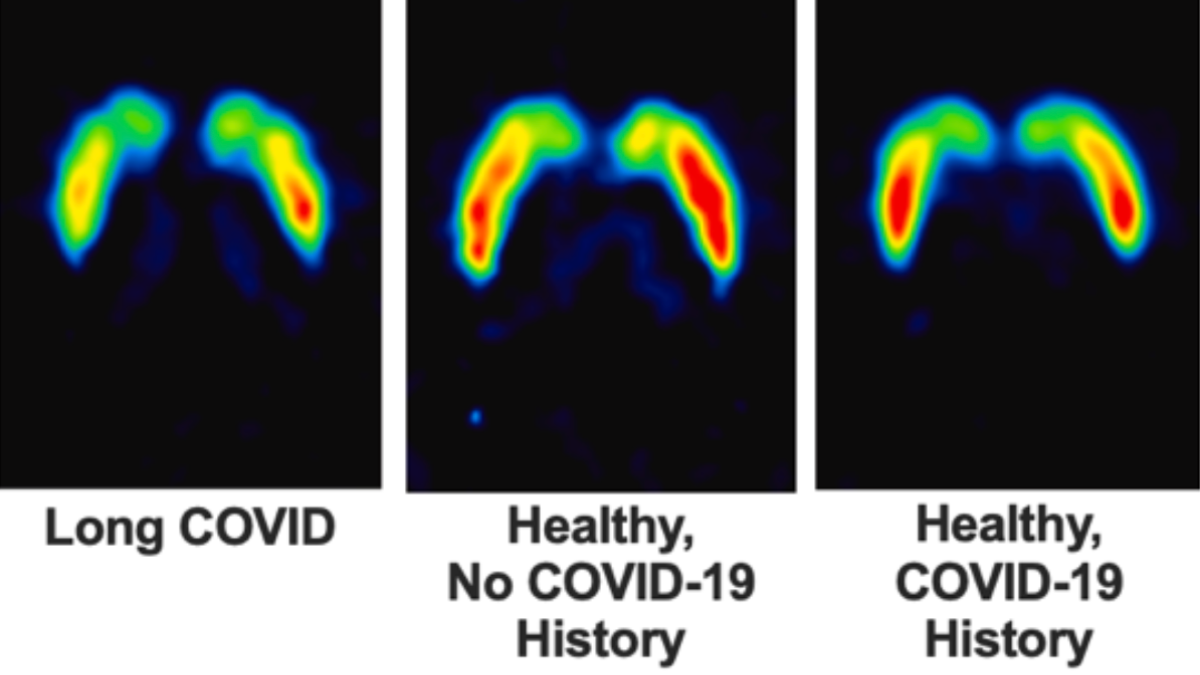
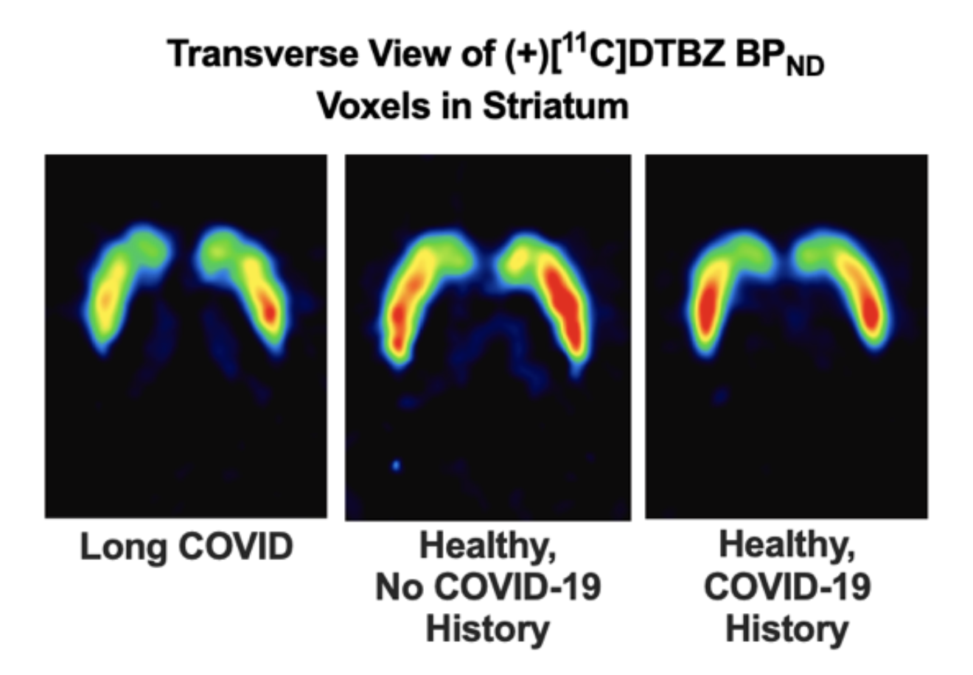
Now, researchers in Canada have shown that people who experienced persistent apathy and depression for the first time in their lives a few months after a COVID-19 infection have around 18 percent fewer dopamine nerve endings in their brain than healthy people.
Dopamine is a neurotransmitter that helps control movement and motivation, and the loss of nerve endings that signal with dopamine affects cognitive function and can drive the development of neurodegenerative diseases.
For their study published in eBioMedicine, the team analyzed positron emission tomography (PET) scans of the brains of 24 adults with long COVID and 24 healthy adults of a similar age.
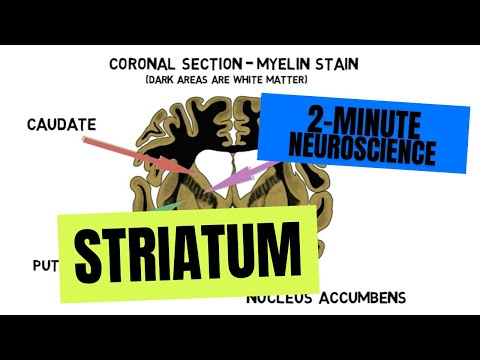
They measured the loss of dopamine nerve endings in the striatum, a region in the center of the brain that controls movement and motivation.
Participants were injected with a radiotracer that binds to a protein expressed by dopamine-signaling nerves, called vesicular monoamine transporter 2 (VMAT2).
VMAT2 is a well-established biomarker used in neurodegenerative conditions such as Parkinson’s disease.
The PET scans showed that loss of dopamine nerve endings in the ventral striatum was linked with lower motivation
In the dorsal striatum, loss of dopamine nerve endings in the putamen was associated with moving slower and taking longer to complete tasks, and loss in the caudate nucleus was tied to memory decline and a struggle to recall words.
The damage to the dopamine nerve endings was present in people who had been living with long COVID for up to 4.6 years.
While the number of patients in this study may be small, it’s a particularly arresting finding in that these changes were detectable on brain scans. In other words, they are visible.
“What cannot be seen is too often considered uncertain,” nuclear medicine researcher Eric Guedja and neuroscientist Danielle Beckman write in a commentary about the study.
“Liu and colleagues report a PET study that translates a clinically elusive neuropsychiatric phenotype of long COVID into a measurable dopaminergic signal.”
The marker of nerve damage used in the study could potentially be used to diagnose long COVID, Jeffrey Meyer, a neurochemist at the University of Toronto, told ScienceAlert.
Some people with long COVID might respond to “treatments which either increase the density of dopamine nerve terminals or improve the release of dopamine by the remaining dopamine nerve terminals”, said Meyer.
In an upcoming clinical trial, Meyer and his team will repurpose a medication that influences dopamine to see if it helps with long COVID symptoms. This work is patented by the hospital conducting the research, the Centre for Addiction and Mental Health, and Meyer is the inventor of that patent.
There is a dire need for validated, evidence-based treatments and tests for long COVID, as none currently exist. The disease is managed by treating symptoms or through trial and error with repurposed medications.
Many people go without treatment because they cannot access specialist care or are offered ineffective, outdated, and sometimes harmful options, such as graded exercise therapy or cognitive behavioral therapy, that do not treat the underlying pathologies.

It’s not known exactly how many people develop long COVID after an acute COVID-19 infection because estimates vary, but it ranges between 2 percent and 10 percent of the infected population.
At least 65 million people worldwide have long COVID, including 10–20 percent of children with a history of COVID-19.
Related: Strange Structures Found Lurking in The Blood of People With Long COVID
The debilitating illness affects multiple organ systems and is associated with more than 200 symptoms, including fatigue, memory issues, sleep disorders, concentration impairment, dizziness, orthostatic intolerance, sensory overload, post-exertional malaise, headaches, anxiety, depression, and gastrointestinal issues.
It often leads to potentially lifelong conditions such as dysautonomia, cardiovascular disease, myalgic encephalomyelitis/ chronic fatigue syndrome (ME/CFS), postural orthostatic tachycardia syndrome (POTS), diabetes, and mast cell activation syndrome (MCAS).
“We need to find biological changes in long COVID that plausibly account for symptoms, and then develop treatments to address the biological changes in people with long COVID who have these symptoms,” said Meyer.
This paper was published in eBioMedicine.
This article was fact-checked by Clare Watson and edited by Rebecca Dyer. While we pride ourselves on our process, we are only human. If you spot a mistake, please let us know.
What did you think of this news? Leave a comment below and/or share it on your social media. This way, we can inform more people about the hottest things in technology, science, innovation, and gaming!
This news was originally published in:
Original source
