

Omega-3 Supplements May Increase Risk of Cognitive Decline, Scientists Warn
Nutritional supplements are exploding in popularity, but some experts remain skeptical of the numerous health claims surrounding these pills and their safety at high dosages.
Omega-3 is often taken by older adults to protect cognitive function, but a new study from researchers in China suggests that these oral capsules may have the opposite outcome in those with genetic risk factors for Alzheimer’s disease.
The research is only observational, among mostly White, educated older adults, so it needs to be interpreted with caution, the study authors say.
The findings don’t prove that omega-3 supplements cause accelerated brain decline in this specific subset of people, but they suggest that we still have lots to learn about the supplement’s pros and cons.
“These findings challenge the prevailing view of omega-3 as uniformly beneficial and highlight the need for a cautious reassessment of its widespread use for cognitive protection,” write the authors, led by researchers at the Army Medical University in China.
“From a clinical and public health standpoint, our findings suggest that a more nuanced assessment and further research are warranted.”
While there are lots of observational studies to suggest omega-3 fatty acids may protect the brain and slow cognitive decline, more rigorous experiments have turned up mixed results.
Eating a certain amount of unsaturated fats seems to be good for overall human health, but every body is different, and it remains controversial whether taking additional omega-3 supplements actually protects brain function or slows dementia across the board.
Many randomized controlled trials have failed to find that omega-3 fatty acid supplementation benefits cognitive decline in patients with Alzheimer’s.
Their study analyzed health data from the Alzheimer’s Disease Neuroimaging Initiative (ADNI). Among more than 800 participants – around half of whom carried a gene risk factor for dementia, called APOE ε4 – those who took omega-3 supplements showed faster cognitive decline than those who didn’t.
Ultimately, ADNI participants taking omega-3 showed a faster decrease in scores on the Mini-Mental State Examination (MMSE), which is used to gauge memory, attention, and language skills.
Their scores on tests used to measure cognitive decline also increased faster.
Interestingly, these outcomes did not seem to be influenced by core biomarkers of Alzheimer’s disease in the brain, like plaques or tangles. The cognitive decline wasn’t even associated with a loss of gray matter.
Instead, the decline was best explained by changes to neuronal synaptic function.
“Our results suggest a previously underrecognized possibility that omega-3 supplementation may, in some contexts, adversely affect synaptic integrity, ultimately counteracting its short-term benefits,” the authors explain.
“This insight calls for a more nuanced understanding of the role of omega-3 in the aging human brain – beyond a simplistic protective-versus-ineffective framework.”

The team suspects that there is a ‘sweet spot’ for reaping the benefits of omega-3, and that supplementation needs to strike a “delicate balance” between the pros and the cons.
Too much of a good thing could have potentially deleterious effects, such as raising oxidation in the brain or somehow fueling underlying disease.
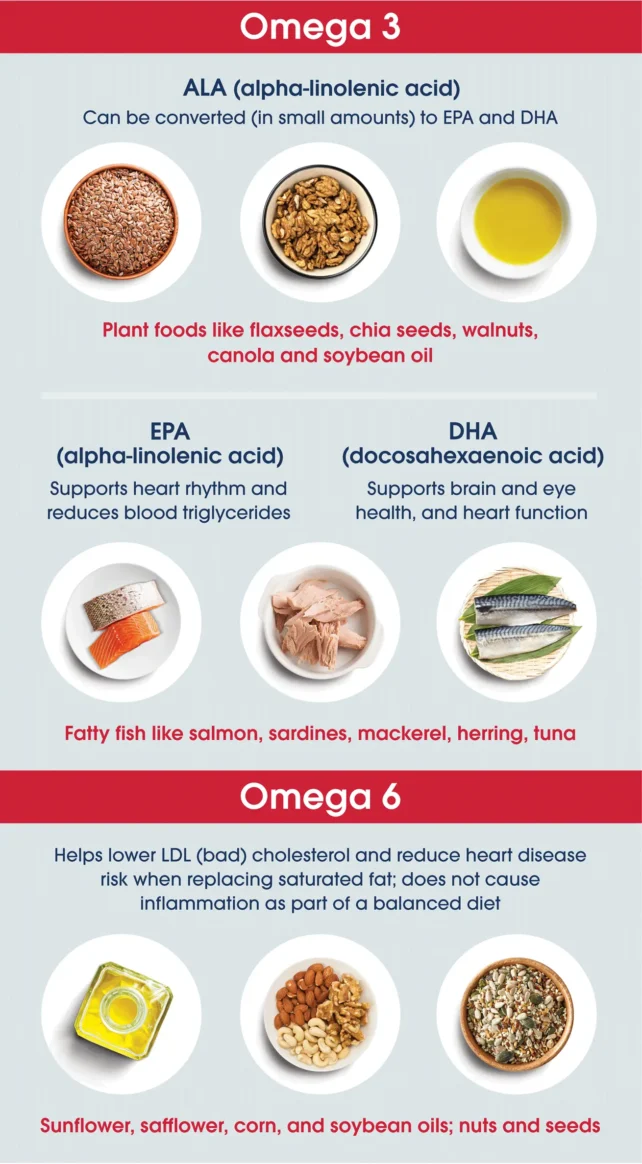
Oftentimes, if omega-3 levels are low, experts will suggest that patients increase their consumption of whole foods that are naturally high in omega-3, as these may come with other benefits. This way, it’s harder to eat too much.
A systematic review in 2025 found that low-dose omega-3 supplements are associated with benefits for cognition, but that high doses above 1,500 mg a day may reverse that advantage in some patients.
Related: The Roots of Dementia Trace Back All The Way to Childhood, Experts Reveal
Ultimately, the message is clear: We need more research before omega supplements are recommended for brain health.
“Future studies are warranted to elucidate the dose-dependent, context-dependent, and time-dependent dynamics underlying the potential benefits and harms of omega-3 supplementation,” the study authors conclude.
The study was published in The Journal of Prevention of Alzheimer’s Disease.
What did you think of this news? Leave a comment below and/or share it on your social media. This way, we can inform more people about the hottest things in technology, science, innovation, and gaming!
This news was originally published in:
Original source
