
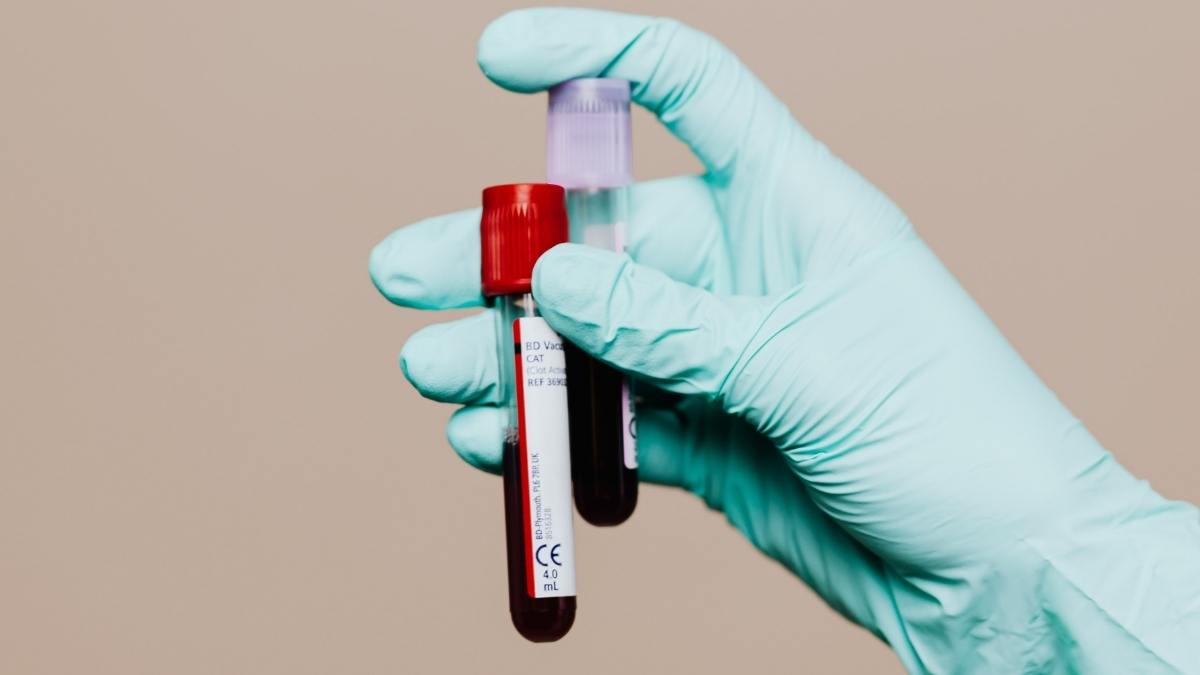
Blood Tests Could Reveal Alzheimer’s Risk Years Before Symptoms Appear
A blood test shows significant promise for predicting the earliest stages of Alzheimer’s disease, even decades before symptoms show up.
New research led by a team from Mass General Brigham in the US found that a blood biomarker called pTau217 could provide an early warning for potentially dangerous accumulations of amyloid-beta and tau proteins in the brain.
A build-up of these proteins has long been associated with Alzheimer’s.
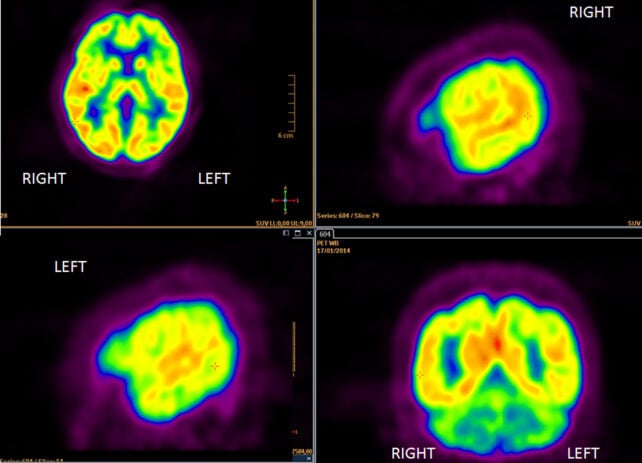
Currently, PET (positron emission tomography) brain scans are often used to spot these signs – but perhaps pTau217 blood tests could identify high-risk Alzheimer’s cases earlier than ever.
“We used to think that PET scan detection was the earliest sign of Alzheimer’s disease progression, revealing amyloid accumulation in the brain 10 to 20 years before symptoms appear,” says lead author Hyun-Sik Yang, a neurologist at Mass General Brigham.
“But now we are seeing that pTau217 can be detected years earlier, well before clear abnormalities appear on amyloid PET scans.”
The researchers recruited 317 participants, with ages ranging from 50 to 90 years old. All the volunteers were cognitively healthy at the start of the study, and they were followed for an average of eight years.
Data from amyloid-beta and tau PET scans, cognitive testing, and pTau217 levels in blood tests were gathered, combined, and tracked over time.
The blood tests were shown to closely match the PET scans when it came to protein tangles and clumps. In some cases increasing levels of pTau217 predicted changes even before they showed on the brain scans.
In other words, the researchers found that high pTau217 levels was associated with future Alzheimer’s pathology, whereas low pTau217 levels suggested a minimal risk of disease development.
“What stood out in our study is that even when amyloid scans appear normal in the clinic, the pTau217 biomarker can identify individuals who later become amyloid-positive,” says Yang.
“It also shows that those with low pTau217 levels are likely to stay amyloid-negative for several years.”
Higher amounts of pTau217 were also linked to a greater chance of cognitive decline across the course of the study, but this was mostly in people who had some signs of toxic amyloid-beta protein build-up right at the start.
The new research back up previous studies suggesting that pTau217 in the blood could be a helpful way of predicting Alzheimer’s risk. It may be a useful biological sign that something abnormal has started happening in the brain.

It’s still going to take a while for this to make its way to clinics, though. The researchers want to gather more data to make the prediction algorithms more accurate – and larger and more diverse groups of volunteers will be needed for that.
The other issue is that even if blood tests can accurately predict whether someone will go on to develop accumulations of amyloid-beta or tau proteins in their brain, these might not necessarily progress to dementia.
Today, doctors use a plethora of tests and assessments to diagnose someone with Alzheimer’s. There is no one simple test that can definitively predict their risk years or decades in advance. At least, not yet.
Related: We May Now Know Why Alzheimer’s Erases Memories of Our Loved Ones
“As the field is evolving quickly, we’re excited to see discoveries on the research side being rapidly translated to clinical application,” says neurologist Jasmeer Chhatwal, from Mass General Brigham.
“By anticipating who’s going to turn amyloid-positive in the future, we are trying to push back the clock to enable earlier Alzheimer’s disease prediction.”
The research has been published in Nature Communications.
What did you think of this news? Leave a comment below and/or share it on your social media. This way, we can inform more people about the hottest things in technology, science, innovation, and gaming!
This news was originally published in:
Original source
