
This Diet Change Cuts Over 300 Calories a Day, Without Decreasing Meal Size
With dieting, we usually think of smaller portions and periods of fasting, but new research shows that there is a way to stick to standard meal sizes, or even eat more, while still substantially cutting the number of calories you take in.
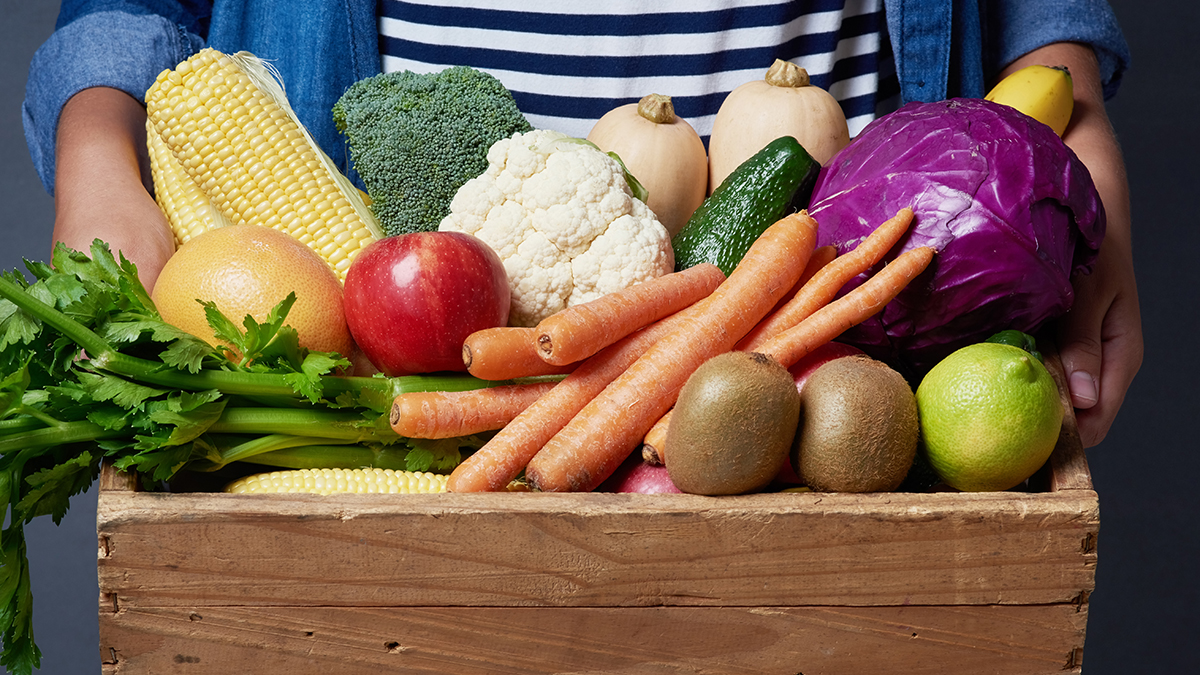
The key is eating completely unprocessed wholefoods, like fruit and vegetables, rather than the ultra-processed foods (UPFs) that dominate many diets. It seems that a more natural diet helps prevent us from overloading on calories, even when we eat as much as we please.
This study, led by a team from the University of Bristol in the UK, is based on a reanalysis of data from a 2019 clinical trial that focused primarily on how much extra energy people who eat ultraprocessed foods consume.
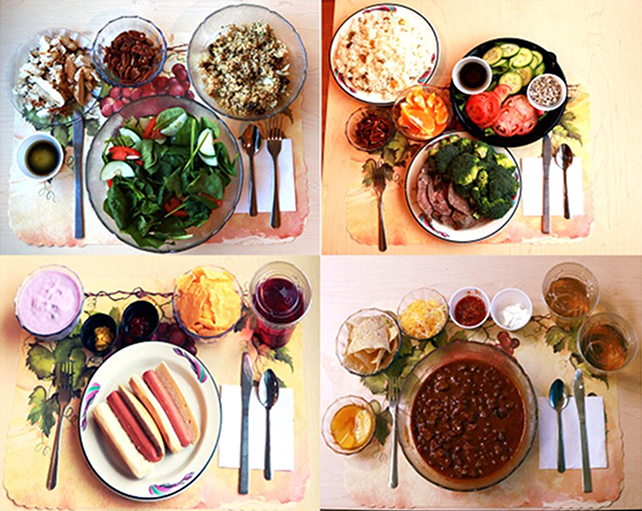
In that month-long trial, 20 participants were free to eat as much as they liked of two randomly allocated diets, either unprocessed or ultraprocessed. These diets were swapped halfway through the trial.
The researchers noticed that when participants were given unprocessed wholefoods, they ate over 50 percent more food than those on UPF diets, while consuming an average of 330 fewer calories daily.
Here, the scientists wanted to examine the food choices people made within their allocated diet and how those choices affected their energy intake.
“It’s exciting to see when people are offered unprocessed options they intuitively select foods that balance enjoyment, nutrition, and a sense of fullness, while still reducing overall energy intake,” says psychologist Jeff Brunstrom, from the University of Bristol.
“Our dietary choices aren’t random – in fact we seem to make much smarter decisions than previously assumed, when foods are presented in their natural state.”
In this new study, the researchers wanted to understand why unprocessed-food diets led people to consume more food but fewer calories.
A key part of the previous diet trial was highlighted: Participants could pick and choose what went into their meals. The researchers suggest this points to a built-in ‘nutritional intelligence’ that we have – and that intuition can get disrupted when ultra-processed foods are dominating a diet.

The idea is that when we’re eating food in its natural, unprocessed state, we prioritize micronutrient-rich foods, like fruits and vegetables. Some research suggests our bodies instinctively want to balance the calories we get (from fat and carbohydrates) with vitamins and minerals.
With UPFs, this ability to gauge the nutritional composition of food is thought to be affected because these foods are often energy-dense and fortified with the vitamins and minerals they lack. We can pack our stomachs with calories without eating as much.
“This raises the alarming possibility that UPFs deliver both high energy and micronutrients in one hit, which could result in calorie overload, because they effectively kill the beneficial trade-off between calories and micronutrients,” says psychologist Annika Flynn, from the University of Bristol.
“Conversely, this healthy competition is promoted by wholefoods and therefore encourages people eating them to favour micronutrient powerhouses, such as fruit and veggies, over high-energy options like pasta and meat.”
The research adds further insight into the conversation about diets and healthy eating, and shows that overeating isn’t necessarily the main problem. The team behind the new study suggests that UPFs are “nudging” us towards higher-calorie foods.
Related: Cutting Calories by 30% May Be Enough to Shield Brain Against Aging
While UPFs have brought with them more convenience, longer shelf lives, and some food safety improvements, there’s growing concern over the health risks attached to them: they’ve been linked to obesity and the early signs of Parkinson’s disease, for example.
Further research will be required to confirm that this nutritional intelligence is common, innate, or how much it is influenced by social factors, but the study highlights that weight loss isn’t always about portion size, and it’s another reminder of some of the drawbacks of a diet that leans too heavily on UPFs.
“Had participants eaten only the calorie-rich foods, our findings showed they would have fallen short on several essential vitamins and minerals and eventually developed micronutrient insufficiencies,” says study author Mark Schatzker, a food writer in residence at McGill University in Canada.
“Those micronutrient gaps were filled by lower-calorie fruits and vegetables.”
The research has been published in the American Journal of Clinical Nutrition.
What did you think of this news? Leave a comment below and/or share it on your social media. This way, we can inform more people about the hottest things in technology, science, innovation, and gaming!
This news was originally published in:
Original source
